Pages

Showing posts with label medical tourism. Show all posts

San Jose, Costa Rica

The Golden Room in the former La Sabana International Airport
newly renovated as the Museo de Arte Costarricense,
the sculpture shows the history of Costa Rica
Arriving in San Jose a few days ago, we headed straight from the airport to the Prisma Dental Clinic. Typically, when we make these trips, we incorporate some vacation days in between or following the dental work.  This time it didn't work out that way.  With only one "down" day from the dental work, our exploring was restricted to walking around San Jose.  Alan had major work completed, including implants, bone grafts, and six crowns.  My initiation with Costa Rican dental work consisted of replacing two crowns and a couple of fillings.  Rainy weather throughout most of the week made it easier to ignore our restriction to the dental chair.


Why go to Costa Rica?  The bottom line is that it is substantially less expensive.  Even when we have incorporated trips to Manuel Antonio National Park, Monteverde Rain Forest, the Arenal Volcano, the Caribbean surfing beaches, etc, we have always saved several thousands of dollars.  I can hear the questions, what about airfare, hotels?  Yes, the savings are substantial enough that these expenses are not relevant.  What about the competence of the dentist?  Researching online, finding a dentist you feel comfortable with is easy.  Read reviews on the dentists, and then call their office and talk with them about your dental issues.  When you find someone you are totally comfortable with, you can formulate the rest of the plan.  What if you don't speak Spanish?  Find a dentist who speaks English (many do).  Hotel staff and restaurant staff generally speak enough English that you can get by without Spanish, but if you do speak some Spanish, that will make it even easier.

Medical tourism is big business in Costa Rica.  Numerous hotels are competing for your business and offer good deals.  Many offer free transportation to and from the airport (many dentists offer this also), some offer discounts if you are visiting for dental or medical reasons, most offer a full breakfast buffet, and some offer discounts if you pay cash.  Once again, check online, read the reviews, talk with the hotel manager or reservation staff and find out what discounts and/or services they offer.

.

Street performers
Securing a room with a kitchen means you don't have to eat out all the time, and if you are having dental work done, you may be on soft food or liquids a few days.  It's convenient to have a refrigerator for storing yogurt or ice cream, and a stove for making or heating up soup or other soft foods of choice.  Staying at the Aparthotel Suites Cristina, about two miles from the dentist's office, we included walking to and from the office as a bit of exercise each day, but a taxi (they all use meters) would have run only $3-4, depending on the time and traffic.

Airfare, of course, varies depending on where you are flying from, the time of year, the amount of advance time you have to make the purchase and the airline.  Flying with air miles extends your savings a little further, and so far, we have been able to utilize air miles for our trips.  But earning and using air miles is a completely different discussion.  If you are interested in learning more about this area check the blogs for The Points Guy or Johnny Jet.
Stall at the
Central Market


National Stadium of Costa Rica


Starting with Alan's first trip to the Prisma Clinic, the quality of the dentistry, in combination with the savings, made the decision a "no brainer."  We have traveled to Costa Rica four times in the past five years for dental work.  I think that speaks for itself, in terms of our confidence with the services rendered.  If you have substantial work to be done, check it out.  I think you'll be happy you did.
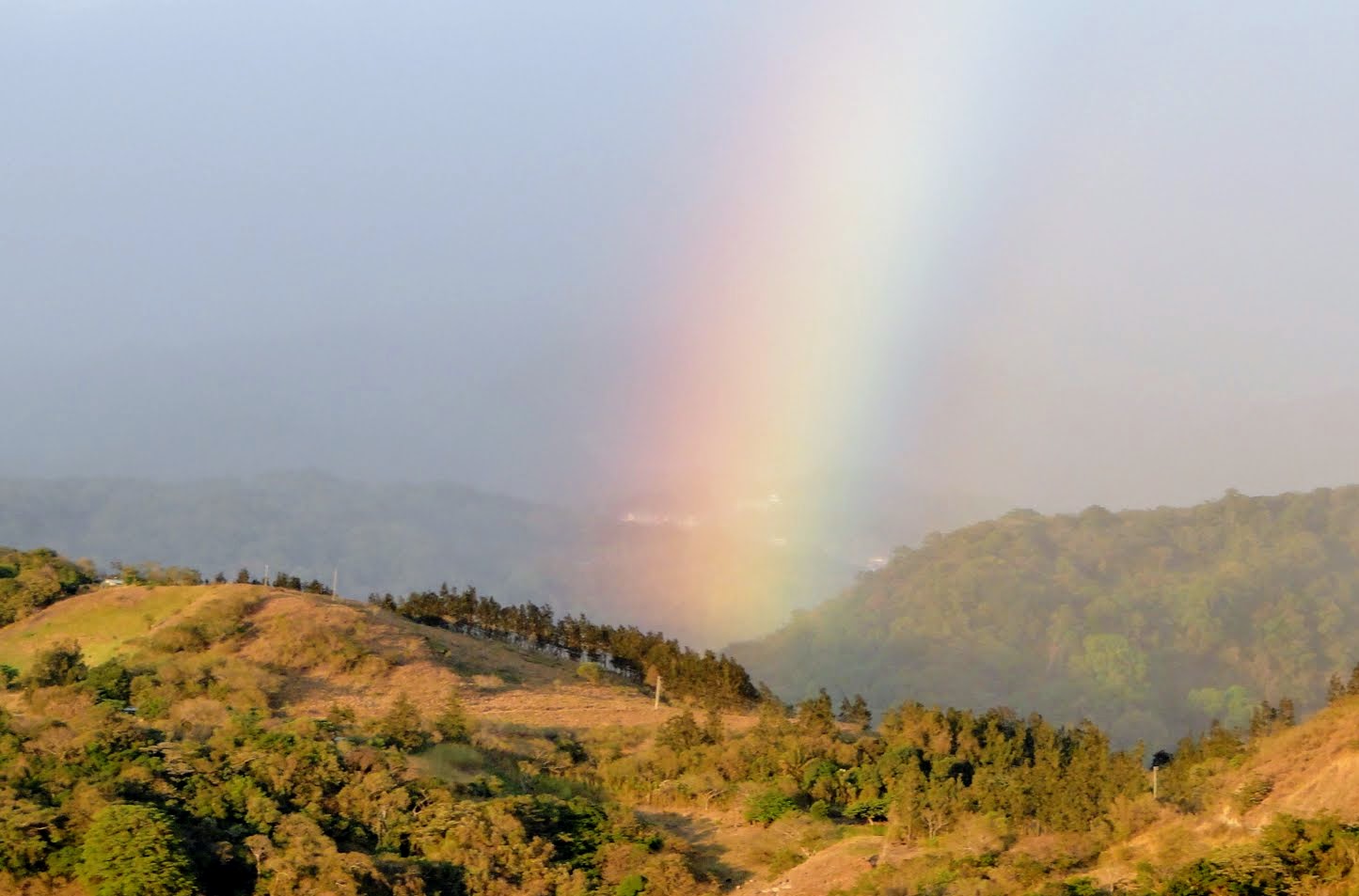
Rainbows in the mountains near San Jose

Juggling machetes at a stop light for tips
             

Volcanos and Coffee in Costa Rica

Beautiful countryside on the trip to Poas
Traveling north, out of San Jose, we were hoping to arrive at our day's destination prior to the fog and clouds that are known to frequent this area. Of the 200 volcanic formations in the country, Parque Nacional Volcano Poas is one of 5 considered to be active, though the last major eruption occurred in 1953. Since this is the most visited park in the country, it is a good idea to avoid the park on weekends, and enter near the opening time at 8:30 A.M., if possible.

Alan at Volcano Poas??????
Unfortunately, arriving around 10 A. M., it was already too late. The 1.7 km-wide crater was heavily fogged in for the day. Peering down to view the lake, some 300 meters below us, we only saw fog. When not clouded over, it emits sulfurous mud and gases and steaming water into the air. Clouds seemed to be moving fast but we finally decided the crater was not going to clear for us.

Stopping next at the Doka Coffee Plantation, we participated in a
Blue Morpho Butterflies
tour of the processing area, where the beans are separated, dried, stored and roasted. Of course, there is a gift shop for tasting and purchasing your favorite coffee. We decided on a French Roast. This large finca (farm) is a family-owned operation that started in the early 1900s and then made the transition to coffee in the 1940s. A butterfly garden, near the restaurant, is home to dozens of varieties, but the Blue Morpho was the one attracting our focus. Rarely pausing for more than a few seconds, catching a photo of this beauty was a challenge.

Catedral de la Mercedes
 In Grecia, we visited the Catedral de la Mercedes. This large red metal church was a prefab building. Built in Belgium, it was shipped to Grecia in 1897 for assembly under the watchful eye of the architect. Spanish tile floors and marble altars provide a beautiful interior. The filigree of metalwork over the full length of the top of the church gives it an unusual gingerbread look. The locals decided on a metal church following the destruction of 2 earlier churches, they decided metal would last longer, and so far they are right.

World-famous ox carts of Sarchi
Finally, we stopped in Sarchi. Over 200 woodworking craftsmen have workshops in this vicinity. Artisans housed in small bungalows create beautiful wood carvings. The town is known for the brightly painted traditional Costa Rican ox carts which were originally used to transport coffee. The carts are no longer used except as souvenirs, landscape accents or in parades. Sarchi is also home to dozens of furniture stores and souvenir shops featuring carved rocking chairs, chests, decorative pieces, etc. created by the local craftsmen. It is a popular shopping area for locals and tourists.

The following days, Alan finished his dental work by having the 3 implants completed. This means another trip back to San Jose several months from now for the crowns to be put in place.  We are packing up. Our next stop will be San Marcos La Laguna, Guatemala.
Alan next to the giant leaves at the Poas Volcano

Wood carvings of Sarchi
Is there a lake down there???


Around San Jose, CR

From the Museo de Oro Precolombina
After 2 extractions and 2 root canals for Alan on Monday, we decided to keep it low key for him the following day. Hiring a taxi, we found our way to the center of the city. One thing we noticed on our return to the city was new street signs, everywhere. On our last visit, the dearth of signage made it difficult, if not impossible to get around.

Having checked out the possibilities, we headed
From Lola Fernandez's Volcano Series
first to the Museo de Oro Precolombina y Numismatica (Museum of Precolumbian Gold and Coins). This popular tourist destination houses a dazzling collection of Precolumbian gold pieces, in conjunction with a history of how the gold was mined and worked into the unusual pieces. The museum also includes a permanent display on the history of Costa Rican money and varying temporary exhibits of contemporary artists. Lola Fernandez's work was the current show. The exhibit was an extensive display of this first-rate Costa Rican artist, spanning her 65-year career. Her style ranges from realistic to abstract, and she uses a wide range of mediums, including oil, watercolor, acrylics, and textiles. Her diversity and talent are impressive.

National Theater
Over the roof of the Museo de Oro is the Plaza de la Cultura. This small open-air concrete square reminded us both of St. Mark's Square in Venice, due to the prevalence of pigeons. Conveniently, this is also the location of the Costa Rican tourist office, so maps or other info on the country can be obtained here. Moving on around the corner, we explored the Teatro Nacional (National Theater). Currently hosting an international flute program, this building, built in 1897, is considered one of San Jose's finest public buildings. Arriving too late for the noon program, we learned that our casual attire was not acceptable at the theater, even during the daytime programs. Next time, we'll know that shorts are not okay.

Metropolitan Cathedral
Walking a few blocks over from the Theater and across the street from Parque Central (Central Park),  we found the
Catedral Metropolitana (Metropolitan Cathedral). Built in 1871, to replace a church which had been destroyed by an earthquake, this is the largest church in the city and considered to be the most important Catholic shrine in the country. Colorful Spanish tile floors and stained glass windows grace the church.

Central Market
Having visited the Mercado Central (Central Market) on our last
One of the many vendors
trip to San Jose, we wanted to go back there once again. Within the market, there are over 200 vendors, selling everything from meat to produce, and spices to souvenir t-shirts. There are also dozens of small cheap restaurants called sodas. The market was first established in 1880. We were hoping to score on a hot avocado and shrimp salad we enjoyed there before, and we found the item on a menu, but the reality didn't live up to our memories.

On exiting the market to the west, the Avenieda Central provides a pedestrian street mall that runs for several blocks. Here, shoppers can find inexpensive clothing and shoes. There are also a variety of street vendors, but most seemed to be selling lottery tickets. I know we probably made an error of judgment, but we did not buy one of those tickets, even though each vendor was certain they were selling the winning ticket.


Manuel Antonio National Park and Isla Damas, Costa Rica

Manuel Antonio National Park
Securing a rental car on our arrival in San Jose, we headed southwest to the Pacific coast. Making this drive at the onset of Easter weekend is not something we would recommend. It seemed that half of San Jose was on the highway. The road frequently looked like a very long, narrow parking lot. Arriving in Damas at sunset, we were relieved to be out of the car.  The Kayak Lodge, tucked down a dirt road between palm tree groves and mangroves, provided our accommodations.

Realizing that our destination for the following day might be overwhelmed early, we headed
Mom and baby sloth hanging out in the park.
south soon after daybreak. Manuel Antonio National Park, south of Quepos, is one of the smallest national parks in the country. The park is open from 7 A.M. to 4 P.M., and the gates are closed on weekends and Holidays once 800 visitors have entered. During the week, park visitors are limited to 600. Luckily, we arrived early enough to secure entrance into the park. From past experience, we have learned that hiring a guide is the best way to hike in a new area if we actually want to see any of the wildlife. Yanan Barboza, our naturalist guide, was knowledgable and adept at finding animals that would have remained hidden if we had completed the walk along the jungle trail on our own. With Yanan's help, we sighted Howler monkeys, tent bats, hummingbirds, a prehistoric-looking helmet iguana, two-toed and three-toed sloths, and countless white-faced capuchin monkeys.

 Howler monkey
Limiting the number of park visitors to 800 meant that the beach portions of the park were relatively deserted. The idyllic white-sand beaches with rocky outcroppings, the islands offshore and the jungles leading down into the ocean are beautiful. On the low tide at Playa Manuel Antonio, on the western side of the beach, there is a circle of rocks called "the turtle trap". This area is thought to have been created by early Indian tribes to catch turtles on the low tide. Currently, since the water is protected from waves and fish are trapped until high tide, the cove creates a snorkeling spot for visitors.

Departing the peaceful park, we walked onto the crowded public beach.  Chaos ensued
Traffic chaos
along the narrow streets of Manuel Antonio village. Taxis, tour buses, and private vehicles moved in a finely choreographed dance to enter (and exit) the final 400-meter road turning off toward the park entrance. No parking signs were ignored as vehicles made the narrow road even more difficult to traverse. Vendors on the public beach were hawking coconuts trimmed back for enjoying the refreshing water hidden inside. Sunbathers and large family groups picnicking crammed the sandy beaches. The touristy village is filled with an assortment of souvenir shops and restaurants.

Driving north toward Quepos, along the waterfront, it's hard to miss El Avion (the plane), a restaurant/bar overlooking the ocean and seemingly hanging on the edge of the cliff. The restaurant is built around a 1950's era cargo plane, with one bar located at the tail of the plane and another inside the body of the plane. We enjoyed a cocktail in this unique setting but the lobster, shrimp, and burgers being served at nearby tables looked tasty.

The following morning, we walked the neighborhood surrounding
Alan with our new friend, Fausta
the Kayak Lodge. A wide diversity of gorgeous flowers had caught my attention the day before, so armed with a camera we headed out. After snapping dozens of shots, we turned to go back to the hotel. A local approached us and started a conversation. In spite of the fact that we speak limited Spanish and Fausta spoke no English, he invited us into his yard and we visited for almost an hour, as he explained the varieties of trees, trimmed multiple coconuts so that we could relish the sweet water, introduced us to his cattle and gave us a parting gift of 2 bowls made from one of his plants.

Anteater
Capuchin Monkey posing
Having scheduled a mangrove boat tour to Isla Damas, we met with our tour
guide, Dennis, and along with 6 other tourists went out to explore. Our guide, once again, provided an information filled two-hour trip. His explanation and description of the black, pineapple, white and red mangroves, clarified the differences in the varieties that made our understanding crystal clear. In addition to the beauty of the mangroves, we saw 2 varieties of anteaters, a crocodile, and more capuchin monkeys. Being offered the opportunity to snack on termites from one of the hundreds of termite nest in the mangroves, we both decided to give it a try. They taste like peanuts, but they're awfully tiny, it would take a long time to fill up on them.

We have now returned to San Jose for Alan's coming week of dental work at the Prisma Dental Clinic, where he had extensive work completed 4 years ago.  Hopefully, the dental work will allow Alan a break for an additional trip out of San Jose before flying to Guatemala.

Can you find the bird in this picture?

Helmet Lizard

Sloth taking a rest.

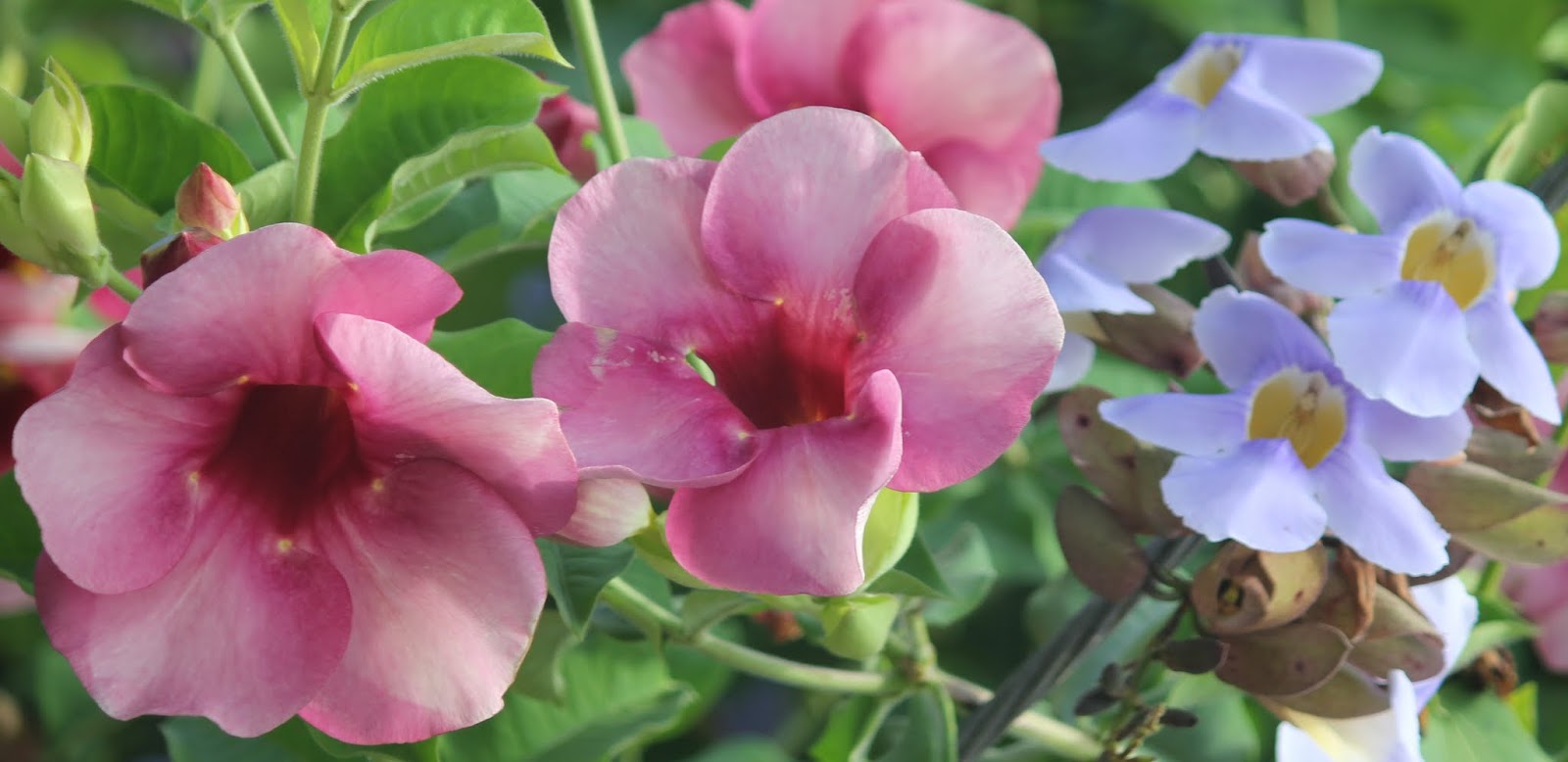
One of the dozens of exotic flowers I photographed.


Silky Anteater

Tiger Heron


Black squirrel

San Jose, Costa Rica and beyond

Drive to Monteverde
Feb. 2010 Arriving in San Jose for extensive dental work for Alan at the Prisma Dental Clinic, we secured a taxi and headed into the city. With eleven implants and two root canals scheduled during our stay, much of Alan’s week was not going to be pleasant. Price for the work was half what we were quoted in the U.S. so he would get the dental work and we’d have a vacation and still save money. The bustling city streets were full of taxis darting around, and buses had passengers packed like sardines in a tin can.
Tourists are not advised to walk around the city during the evening, but we had the whole
afternoon to explore before Alan's procedure would start the following day. Walking and driving anywhere in Costa Rica is a challenge due to the lack of street and directional signs. The address on our first hotel was 50 meters east of La Sabana Park. Our first afternoon, we walked to the Mercado Central (central market). The crowded market carries everything from t-shirts to coffee beans. It also houses several small sodas (small inexpensive eateries). Ordering a shrimp and avocado salad, we received a fabulous hot, buttery and garlicky concoction we’ll be duplicating on our return home.

As Alan withstood the dental drill, I located the Soda Tapia. This popular spot for locals has been around for 40 years serving homemade ice cream and milkshakes---perfect for Alan's current liquid/soft dietary regimen.

With the first part of the dental work completed, we had a week to explore before returning for the completion of the job. Now, with temporary teeth in place, we took off for the Monteverde Cloud Forest in our rental vehicle. Locals have chosen to leave the bumpy dirt/rock roads leading to the area.  While visitors are welcome, they want their paradise to
remain unspoiled. After enduring the rough ride in and experiencing the locale, I think they are right.

Waking early the following day, we met our guide, Rodrigo. Clad in ponchos, we trekked into the misty clouds in search of the elusive resplendent quetzal. Rodrigo provided extensive information on the flora and fauna of the area but, we were also treated to sightings of both male and female quetzals. Spectacular birds and a thrill to spot.

Mission accomplished, we moved on to Nosara. Our friends, Pete and Emily, completed a home in the surf area and relocated from the U.S. over a year ago. Their home overlooks the town of Nosara and the Gulf of Nicoya, providing a fabulous view. Adjusting to life in Costa Rica has had many difficulties, but also many blessings and they seem content to stay here for a long time. The dry summer season of the Pacific coast was a strong contrast to the lush greenery of the Monteverde area. The beaches were lovely, but the grasses were brown, and most of the large trees were leafless due to the lack of water. Dusty roads were similar or worse than the roads approaching Monteverde. Locals, once again, are trying to save their area from development. The rainy season, which starts in a few months, will bring everything back to life.

After bidding our friends adieu, we headed for Lake Arenal and the Arenal Volcano. Arenal erupted in 1968, wiping out three villages and killing scores of people. Since then, the volcano erupts on a regular but small scale. Arenal Vista Lodge overlooked the lake and volcano, both clearly visible. Soon after our arrival, we were treated to eruptions which continued off and on for about the next four hours. Around 10 P.M., clouds and rain moved in and hid the mountain from our view for the remainder of our stay. Our timing had been perfect. The sight of the lava pouring down the mountainside was a unique and thrilling experience for us.

Headed back into San Jose for the second part of Alan's dental work, the torrential rains from the previous day had washed out part of the road on our route. Detouring through the
mountains, hairpin turns and heavy clouds 
diminished visibility to less than 50 feet for miles on end. Finally, we descended out of the clouds into blue skies. The agricultural valley area of Zarcero, with perfectly platted lush green farms, was beautiful. Roadside markets offered local cheeses and produce, but our detour had left us with no time to stop.

We arrived in San Jose just in time for the afternoon appointment. Now, Alan has a full upper bridge and a wonderful new smile. Mother Nature decided she wanted us to experience a little bit more of what Costa Rica had to offer. Around 11 P.M., our hotel room (and all the surrounding area) was shaken by a 4.4 earthquake. We evacuated the hotel, as did the other guest. After deciding there would not be an encore, we returned to our room for a restless night sleep. We were woken at 6 A.M. by the shrill blare of the hotel's fire alarm. There was no fire, but it added to the excitement of the night. With Alan's dental work completed, we headed for the Caribbean coast. 

The drive through the rainforest, banana and pineapple farms was lush and green, a stark
contrast to the Pacific coast.  Hotel Banana Azul, an ecolodge with 12 guest rooms, was nestled between the black sand beach and the jungle. A set menu was available for breakfast and dinner (which was included in our room rate), so we didn't have much reason to leave the resort. But we did some exploring in Puerto Viejo, this is a big surfing area and a multicultural experience. With a population of around 2000, the latest census found residents from 49 countries. Resting in the hammock on our balcony, we could oversee the activity in the pool and jacuzzi and decide if we should motivate ourselves to indulge. Our stop here was a nice conclusion to the Costa Rica trip.